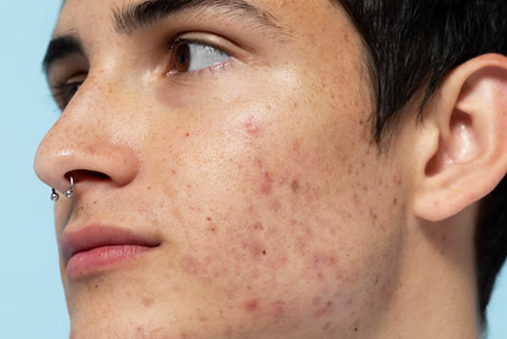
Acne may fade, but the acne scars often stay—etched into your skin and your self-esteem. Whether it's deep pitting, rough texture, or stubborn marks, these scars become a daily frustration.
You’ve tried creams, home remedies, and countless promises in a bottle. But real skin transformation begins with science-backed solutions.
At Radiant Roots, we offer personalized, effective, and advanced acne scar correction in Mangalore that doesn’t just fade the scars—it helps rebuild your skin from within. Because your skin deserves a second chance.
Acne scars develop when severe acne damages the skin tissue deeply. Instead of healing smoothly, your skin forms uneven collagen, leading to visible scars. However, even mild breakouts can leave marks if picked or inflamed.
There are different types of acne scars:
These acne scars can affect people of all ages and skin tones, but with acne scar correction in Mangalore, long-lasting marks can be effectively treated and minimized.
We don’t believe in a one-size-fits-all solution. Our expert cosmetic surgeon in Mangalore, Dr. Chandra, creates a personalized correction plan based on your skin’s unique needs. Common treatments include:
Stimulates collagen at deeper levels. Smooths out acne pits, improves texture, and firms skin. Safe for all skin tones with minimal downtime.
Fractional CO2 or Er:YAG lasers gently remove scarred tissue and trigger skin regeneration. Ideal for deeper, stubborn scars.
Removes damaged top layers and brightens skin tone. Best for superficial scarring and post-inflammatory pigmentation.
A minor surgical procedure where a needle breaks the fibrous bands under the scar, allowing skin to lift and smoothen.
Used to plump deep atrophic scars, giving instant volume and a smoother skin surface.
Uses your own blood's healing properties to support skin repair and collagen growth when combined with microneedling or laser.
This treatment is for anyone who:
Acne scar correction is suitable for both men and women, and for adults of all ages.
We begin with a thorough skin assessment. Our experts examine your scar types, skin tone, and overall skin health to design the most effective treatment plan.
Depending on the severity of your scars, we may recommend one or a combination of the above treatments. Sessions usually last 30 to 60 minutes.
We provide easy-to-follow aftercare instructions. Mild redness or swelling may occur but typically subsides within a few days.
Skin improves gradually over 3–6 sessions. We space treatments out to allow full healing and optimal collagen remodeling.
Let your skin reflect your inner strength—not your past breakouts
When your skin looks clear, your confidence shows—even without makeup.
The number of sessions depends on:
On average, most clients require 3 to 6 sessions spaced 4–6 weeks apart. You’ll notice gradual improvement after each visit, with smoother, brighter skin over time.
Most treatments are well-tolerated. We use numbing creams to ensure comfort.
While we aim for dramatic improvement, 100% removal isn’t guaranteed. However, most patients see 60–80% visible reduction.
Mild redness or flaking can happen, but you can usually return to normal activities within 24–48 hours.
We recommend waiting at least 24 hours or until the skin settles.
Yes. As skin loses collagen and elasticity over time, old acne scars may appear deeper or more visible. Early intervention helps maintain smoother skin as you age.
Mild discoloration may fade over time, but deeper scars usually need professional treatment such as lasers, microneedling, or chemical peels.
Common options include fractional laser resurfacing, microneedling, chemical peels, dermal fillers, TCA CROSS, and subcision. A dermatologist may combine several methods for best results.
Yes. Fractional CO₂ and Er:YAG lasers stimulate collagen production, smooth skin texture, and improve scar depth. Results depend on scar type and skin tone.
Typically, 3–6 sessions spaced a few weeks apart are required for noticeable improvement. Deeper scars may need more sessions.
Visible improvement usually begins after a few weeks, with optimal results becoming noticeable after 3–6 months, as collagen remodeling continues.
Yes, but treatment type and laser settings should be customized. Darker skin tones need extra caution to avoid pigmentation changes.
Some treatments, like microneedling with PRP or certain laser systems, can improve both active acne and scarring, but active breakouts should be controlled first.
Most procedures are well-tolerated. Numbing creams or local anesthesia are used to minimize discomfort during laser or microneedling sessions.
Subcision is a minor procedure where a needle breaks fibrous scar tissue beneath the skin. It helps release depressed scars and encourages collagen formation.
TCA CROSS (Trichloroacetic Acid Chemical Reconstruction of Skin Scars) uses high-concentration acid applied to each scar to promote healing and collagen remodeling, especially for ice-pick scars.
Microneedling uses fine needles to create micro-injuries in the skin, stimulating collagen and elastin production. It’s effective for shallow scars and safe for most skin tones.
Yes. Combining PRP with microneedling or lasers accelerates healing, improves texture, and enhances collagen growth.
Yes. Medium to deep chemical peels exfoliate damaged skin and reduce pigmentation and shallow scars. However, deeper scars may need advanced treatments.
Fillers like hyaluronic acid can temporarily lift depressed scars and smooth uneven texture. Results usually last 6–12 months.
Yes. Treatments like chemical peels, laser toning, and topical retinoids can fade post-inflammatory hyperpigmentation alongside scar correction.
Downtime depends on the procedure—light peels or microneedling may need 1–2 days, while fractional lasers can require up to a week of recovery.
Temporary redness, swelling, or mild peeling are common. Rarely, improper technique can cause pigmentation changes or infection—always choose a qualified dermatologist.
Costs vary by procedure and clinic. On average, it ranges from ₹3,000 to ₹20,000 per session. Combination therapies may cost more but offer better results.
It’s best to wait 24–48 hours after mild procedures and up to a week after laser treatments before applying makeup to allow the skin to heal.
Avoid picking pimples, treat acne early, use sunscreen daily, and follow your dermatologist’s skincare plan to reduce the risk of scarring.
Once corrected, treated scars don’t return. However, new acne breakouts can create new scars if not managed properly.
They can help lighten marks but rarely improve deep scars. Professional treatments are needed for visible texture correction.
Yes, with proper technique and tailored settings. Dermatologists often recommend microneedling or mild laser treatments for sensitive skin.
Absolutely. Combining microneedling, subcision, PRP, and laser often delivers the best improvement for mixed-type scars.
Use sunscreen daily, stay hydrated, eat a balanced diet, avoid smoking, and follow your post-procedure care strictly for optimal healing.
Yes. Even long-standing scars can respond well to collagen-stimulating procedures like fractional lasers or microneedling with PRP.
The best treatment depends on scar type, skin tone, and sensitivity. A dermatologist’s evaluation helps customize the safest and most effective pla
Most scars need multiple sessions for optimal improvement. However, combining advanced techniques can significantly reduce treatment time and enhance results.
At Radiant Roots, we believe that acne scars don’t define you – but they do deserve expert attention. With the right technology and medical guidance, we can dramatically improve your skin’s texture, tone, and confidence.
We combine science-driven techniques with an artistic eye for natural-looking results. Whether you have recent marks or scars that date back years, we’ll tailor a treatment plan that suits your skin type, scar type, and lifestyle.
It’s time to stop hiding and start healing. Whether your scars are old or recent, subtle or severe, we’re here to guide you to your clearest skin yet.
Our Gallery