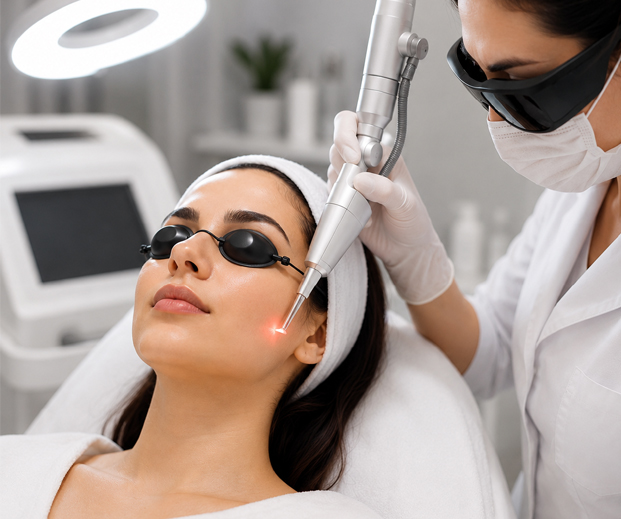
Uneven pigmentation, acne scars, sun spots, or unwanted tattoos can affect your skin’s appearance. PICO laser may be considered for selected pigmentation, tattoo, scar and skin-texture concerns, depending on your skin condition and individual assessment.
PICO laser treatment uses picosecond-range pulses, measured in trillionths of a second, to target pigment and selected skin concerns through a photomechanical effect. Unlike lasers that rely more heavily on thermal energy, picosecond lasers deliver energy in very short bursts.
Depending on the laser wavelength and technology used, PICO laser may be considered for pigmentation, selected acne scars, tattoos, and certain skin-texture concerns.
A picosecond is one trillionth of a second. PICO lasers use pulses within this extremely short time frame, allowing laser energy to be delivered rapidly to the treatment area.
PICO laser may be considered for people concerned about:
Suitability depends on the underlying concern, skin type, and treatment history.
The main difference is how laser energy is delivered.
| PICO Laser | Traditional Laser |
| Uses picosecond pulses | May use longer nanosecond or millisecond pulses |
| Can create a photomechanical effect | Many systems rely more on thermal effects |
| Used for selected pigment and scar concerns | Different systems are used for different skin concerns |
| Downtime varies by device and treatment | Recovery varies according to the laser used |
Traditional lasers refer to several different technologies. Wavelength, pulse duration and treatment purpose vary between systems, so the appropriate option depends on the specific skin concern.
Depending on the device and concern being treated, possible advantages include:
Treatment settings can be adjusted according to the skin concern, treatment area and individual requirements.
PICO laser can be used on different areas depending on the concern:
The wavelength and settings are selected according to the area and skin concern.
Temporary effects may include:
These effects can vary depending on the treatment settings and skin concern. People with darker skin tones may require particular care when treating pigmentation because post-inflammatory pigmentation can occur after laser procedures.
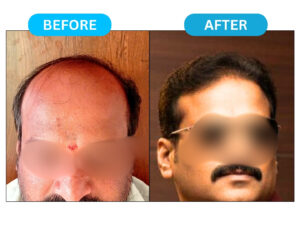
Hair Transplant starting @ Rs. 40,000/- only
There is no fixed number of sessions for every skin concern. Pigmentation, acne scars and tattoo removal may require different treatment schedules.
The number and spacing of sessions depend on factors such as the condition being treated, its severity, laser wavelength, treatment settings and individual response. The appropriate treatment plan can be discussed after a skin assessment.
Before treatment, discuss:
After treatment:
If you’re looking to address pigmentation, scarring, or unwanted tattoos, PICO Laser Treatment in Mangalore is one option worth understanding as part of your skin’s journey. With the right assessment and aftercare, many people notice visible improvement over a few sessions, though individual results may vary.
If you wish to explore this further, consult a cosmetic surgeon at Radiant Roots for a personalised assessment. Understand how well your skin suits the treatment.
Most people experience some warmth, tingling or mild discomfort during treatment. The level of discomfort depends on the treated area, laser settings and individual sensitivity.
PICO lasers can reduce certain types of pigmentation, but recurrence is possible. Sun exposure, hormonal factors and the underlying cause can influence pigmentation over time.
It can be used for darker skin, but treatment settings must be selected carefully. Darker skin can be more prone to post-inflammatory pigmentation after laser procedures.
PICO laser may help select acne scars, particularly when fractional technology is used. Deeper or structurally complex scars may require other treatments or a combination approach.
Many non-ablative treatments involve limited downtime, but this varies. Redness, swelling or sensitivity may occur temporarily, particularly after fractional treatments.
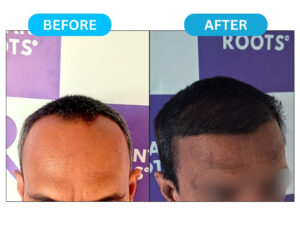
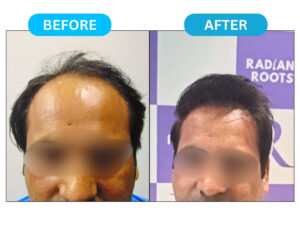
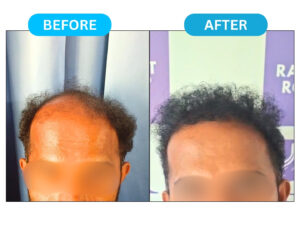
Our Gallery