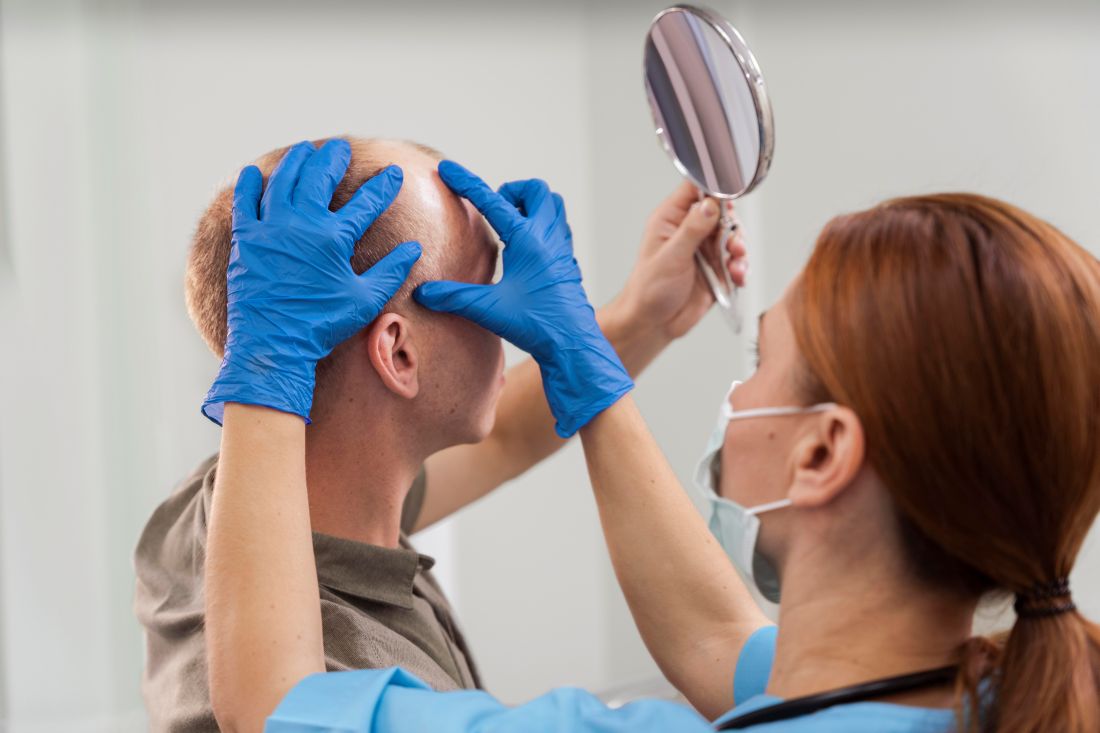
Why Some Areas of the Scalp Grow Slower After Hair Transplant
When you begin noticing early hair transplant results, it’s natural to look closely at every detail. Many patients observe that some areas of the scalp seem to grow faster than others. This can raise questions, especially during the first few months.
Understanding scalp growth after hair transplant helps you feel more confident and relaxed during recovery. The process is gradual, and every stage has a purpose.
Why Is My Hair Transplant Growing Unevenly?
Uneven growth is one of the most common experiences after a hair transplant.
Hair does not grow all at once. Each follicle follows its own natural cycle. Some activate earlier, while others take more time.
This means:
- Some areas look fuller sooner
- Some areas appear slower initially
- Growth gradually evens out over time
This pattern is expected and part of healthy recovery.
Which Areas of the Scalp Grow Slower After Hair Transplant?
Different parts of the scalp behave differently.
Crown Area
The crown is usually the slowest to show visible growth.
- Growth pattern is circular
- Density builds gradually
- Takes more time to appear full
Mid-Scalp Area
This area grows at a moderate pace.
- Improvement becomes noticeable over months
- Blends slowly with surrounding hair
Hairline Area
The hairline often shows early results.
- Faster visible growth
- Easier to notice changes
- Plays a key role in appearance
An experienced hair transplant surgeon in Mangalore plans these variations carefully during treatment.
Why Does the Crown Take Longer to Grow?
Many patients notice delayed growth in the crown.
This happens because:
- Blood circulation is slightly different in this area
- Hair grows in multiple directions
- The natural growth cycle here is slower
This is not a problem. It is simply how the scalp functions.
With time, the crown continues improving steadily.
Is Uneven Growth After Hair Transplant Normal?
Yes, completely normal.
Almost every patient experiences some variation in growth during early months.
What matters is consistency over time, not uniform growth in the beginning.
Even when one area looks slower, progress is happening beneath the surface.
This is why experienced specialists evaluate hair transplant results over several months, not weeks.
How Long Does It Take for All Areas to Even Out?
Hair growth follows a gradual timeline.
Here is what most patients experience:
- Months 1–2: Healing and temporary shedding
- Months 3–4: Early, uneven growth begins
- Months 5–6: Visible improvement in multiple areas
- Months 7–9: Density starts balancing out
- Months 10–12: Final results become clear
By the end of this journey, the scalp looks more even and natural.
What Affects Growth Speed in Different Scalp Areas?
Several factors influence how quickly hair grows.
Natural Hair Growth Cycle
Each follicle grows at its own pace.
Blood Supply Variation
Some areas receive slightly different circulation.
Hair Density Planning
Strategic placement affects how fullness appears.
Scalp Condition
Healthy scalp supports better growth.
Aftercare Routine
Following guidance improves overall results.
A well-planned hair loss treatment considers all these factors from the start.
What Can I Do If One Area Looks Slower?
If you notice uneven growth, focus on supportive care.
You can:
- Follow post-treatment instructions carefully
- Maintain good scalp hygiene
- Eat a balanced diet
- Stay patient and consistent
Avoid comparing daily changes. Hair growth is best observed over weeks, not days.
When Should I Be Concerned About Slow Growth?
In most cases, there is no need for concern.
However, you can consult your doctor if:
- There is no visible change after several months
- You notice unusual patchiness
- You feel unsure about your progress
A consultation with a hair transplant surgeon in Mangalore can provide clarity and reassurance.
Why Patience Plays a Key Role in Hair Transplant Results
Hair restoration is a gradual process.
Each stage builds on the previous one. Even when growth looks uneven, the follicles are actively working beneath the skin.
With time:
- Hair becomes thicker
- Density improves
- The scalp looks more balanced
Patience allows the final result to develop naturally and beautifully.
A Natural Process That Builds Over Time
Understanding scalp growth after hair transplant makes the entire journey feel more reassuring. Uneven growth is not a setback. It is a natural part of how your scalp heals and regenerates.
With proper planning, guidance, and patience, the results become more balanced and natural over time.
If you are considering a hair transplant in Mangalore, or already on your journey and have questions, a professional consultation can provide clarity at every stage.
At Radiant Roots, patients receive thoughtful evaluation and supportive care, helping them feel confident and informed throughout their hair restoration journey.
FAQs
Yes. Uneven scalp growth after hair transplant is common. Different areas grow at different speeds, but results gradually balance out with time and proper care.
The crown area has a different growth pattern and blood flow. This naturally delays visible results, but improvement continues steadily over the following months.
Hair transplant results usually begin balancing between months 6 and 9, with more uniform density becoming visible as growth continues toward the final stages.
No. Slow growth in certain areas is part of the normal hair cycle. It does not indicate failure and typically improves with time.
Yes. Following aftercare instructions, maintaining scalp hygiene, and supporting overall health can help improve scalp growth after hair transplant.