Is Monsoon a Good Time for Gynecomastia Surgery?
Every year, as the rains set in, I notice a pattern in my consultations. Patients who have been researching cosmetic surgery for months suddenly pause and ask the same question: "Doctor, should I wait for better weather?" It's a fair question, and one worth answering with facts rather than assumptions.
As a cosmetic surgeon who regularly performs gynecomastia procedures, I can tell you that the timing myth around monsoon deserves a closer, more clinical look. Let's break down what actually matters when planning your surgery.
What Is Gynecomastia, and Why Does Timing Even Come Up?
Gynecomastia refers to the enlargement of male breast tissue, caused by a hormonal imbalance between estrogen and testosterone. It's a common condition, not a cosmetic flaw born out of lifestyle choices, and it affects men across age groups.
The surgery itself — whether liposuction-based, excision-based, or a combination of both — is a well-established procedure. What changes with seasons isn't the surgical technique. What can change is the recovery experience, and that's where the monsoon question genuinely holds some weight.
Does Weather Actually Affect Surgical Outcomes?
Humidity and Wound Healing
Higher humidity levels can slightly increase perspiration around the chest and underarm area. This matters because:
- Excess moisture near incision sites can, in rare cases, delay the drying of dressings
- Sweat combined with compression garments may cause mild skin irritation if hygiene isn't maintained diligently
- Proper wound care becomes slightly more important, though not more difficult
None of this makes monsoon surgery risky. It simply means patients need to be a little more attentive to dressing changes and skin hygiene during recovery.
Infection Risk: Myth vs Reality
A common concern patients raise is infection risk during rainy months. Clinically speaking, infection rates are governed far more by:
- Sterile surgical technique
- Post-operative hygiene practices
- The surgical facility's protocols
...than by outdoor weather conditions. As long as the procedure is performed in a controlled clinical environment and aftercare instructions are followed properly, monsoon season does not independently raise infection risk.
Compression Garments in Humid Weather
After gynecomastia surgery, patients typically wear a compression vest for several weeks. In humid conditions, some men report the garment feeling warmer or slightly less comfortable than it would in cooler, drier months.
This is a comfort factor, not a medical one. Breathable, well-fitted compression garments and indoor, climate-controlled recovery spaces address this easily.
Advantages Patients Often Don't Consider
Interestingly, monsoon season can work in a patient's favor for a few practical reasons:
Lower Sun Exposure
Post-surgical scars are more vulnerable to pigmentation when exposed to direct, intense sunlight. Overcast monsoon days naturally reduce this risk during the early healing phase, when scars are most photosensitive.
More Indoor Recovery Time
Rain naturally encourages people to stay indoors and rest — which happens to align well with the initial 1–2 weeks of recovery, when strenuous outdoor activity is discouraged anyway.
Cooler Temperatures Between Showers
Extreme heat can increase swelling and discomfort post-surgery. The relatively cooler temperatures that often accompany monsoon weather can make the first few recovery days more comfortable for some patients.
What Actually Determines the "Right Time" for Surgery
From a clinical standpoint, season is a minor factor. What genuinely determines surgical readiness includes:
1. Hormonal Stability
Gynecomastia surgery is ideally performed once hormonal fluctuations (common during puberty or due to medication) have stabilized.
2. Overall Health Status
Any active infections, uncontrolled medical conditions, or recent illnesses should be resolved before surgery — regardless of the calendar month.
3. Personal and Professional Schedule
Recovery requires 1–2 weeks of reduced activity and several weeks of avoiding heavy exercise. The best time is when your schedule genuinely allows for uninterrupted rest.
4. Availability of a Qualified Surgical Team
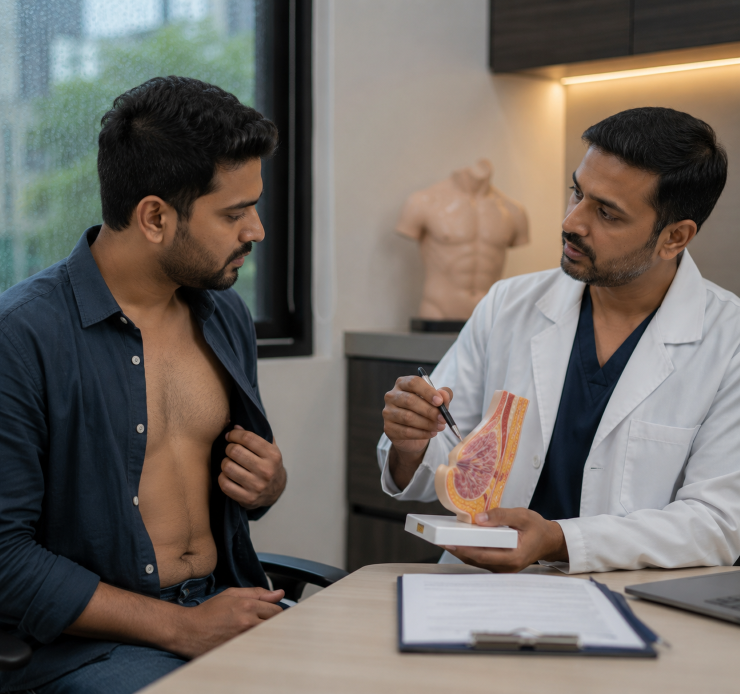
This matters more than any seasonal consideration. A consultation with a qualified plastic surgeon to assess your anatomy, grade of gynecomastia, and suitability for surgery is the real starting point.
Practical Monsoon Recovery Tips
If you do choose to undergo surgery during the rainy months, here's what supports smoother healing:
- Keep incision sites clean and dry as per your surgeon's dressing instructions
- Choose breathable, moisture-wicking compression garments
- Avoid unnecessary outdoor exposure during the first week
- Maintain indoor air circulation to reduce excess humidity indoors
- Follow up with your surgeon promptly if you notice any unusual redness, discharge, or discomfort
Final Thoughts
The rain outside your window has very little bearing on what happens in the operating room. What truly matters is medical readiness, surgical expertise, and disciplined aftercare — monsoon or otherwise.
If you're exploring cosmetic surgery and wondering whether now is the right time for your body and your goals, remember that season is rarely the deciding factor. A proper one-on-one consultation with a qualified surgeon — where your hormonal status, health history, and individual anatomy are assessed — is the only reliable way to determine genuine surgical readiness, in any month of the year.
Author:
Dr. Chandra
Board-certified Plastic and Cosmetic Surgeon (MCh)
The Lead Surgeon at Radiant Roots Hair Transplant & Aesthetic Surgery Centre, Mangalore.
Frequently Asked Questions
1. Can I get chest surgery done during the rainy season, or should I wait?
Yes, you can. The weather itself doesn't stop the surgery from being safe. What matters more is your general health, hormone levels, and how well you follow your doctor's aftercare instructions.
2. Will my wound take longer to heal because of the humidity?
Not necessarily. Healing time depends mostly on your body, the surgical technique used, and how well you care for the area — not on how humid it is outside.
3. Is there a higher chance of infection if I get surgery done in humid weather?
No, humidity alone doesn't cause infections. Infections are far more linked to how clean the surgical setup is and how well you maintain hygiene after surgery, not the season.
4. Will wearing a compression vest be uncomfortable in this weather?
It might feel a little warmer than usual, but a breathable, well-fitted vest and staying in a cool, ventilated space usually solves this easily.
5. Is there a "best" month to get this surgery done?
There's no single ideal month. The right time is when your body is healthy, your hormones are stable, and your schedule allows for proper rest and recovery — not tied to any particular season.