Fillers vs Fat Grafting: Which is Best for Facial Volume Loss?
Facial aging rarely begins with wrinkles alone. The earliest change is a subtle loss of volume. If you’ve noticed, the cheeks look flatter, and the under-eye area starts to appear hollow. The face slowly loses the soft structural support that once made you look rested and youthful.
Treatments like dermal fillers restore lost volume quickly and with minimal downtime. However, many patients often ask:
Why do fillers need repeated maintenance?
Why does some filler start looking puffy over time?
Is there a longer-lasting and more natural alternative?
This is where the conversation around fat grafting vs fillers becomes important.
Both treatments restore facial volume, yet they behave very differently inside the facial tissues. One works as a temporary filler material. The other uses your own living fat cells to rebuild volume more biologically.
Understanding the difference will help you choose the right treatment for your face, your goals, and your long-term expectations.
Why Facial Volume Loss Happens With Age
Most people think skin aging is all about skin laxity. In reality, facial aging is also deeply structural.
Starting in the 30s, several changes happen gradually:
- Collagen production slows down
- Facial fat pads shrink and descend
- Skin elasticity reduces
- Bone support subtly changes over time
As a result, areas that once looked full and smooth begin to hollow.
You may notice:
- Tired-looking under eyes
- Flattened cheeks
- Temples appearing sunken
- Nasolabial folds are becoming more visible
- A thinner, less supported facial appearance
These changes often create the impression of fatigue even when you feel well-rested.
Both dermal fillers and facial fat transfer aim to restore this lost support. However, the way they achieve it differs significantly.
How Dermal Fillers Actually Work Inside the Face
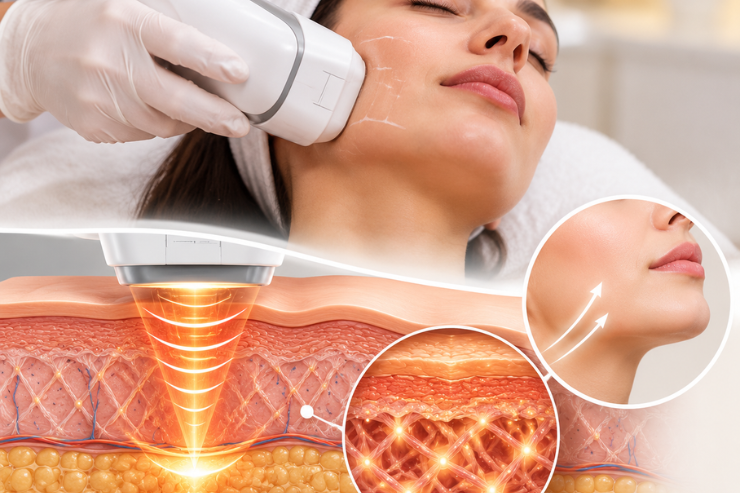
Most modern fillers are made of hyaluronic acid, a substance naturally present in the body. These fillers act like soft volumizing gels placed strategically beneath the skin.
Once injected, fillers restore contour by:
- Adding structural support
- Attracting and binding water
- Softening hollowness and folds
However, not all fillers behave the same way.
Some fillers are softer and spread smoothly in delicate areas like the under eyes. Others are firmer and provide a stronger lift in areas such as the cheeks or jawline.
A filler injected deeply near the bone behaves differently from one placed superficially under thin skin. That is why treatment planning requires anatomical precision rather than simply “adding volume.”
One important point many patients do not realize is this:
Fillers are temporary because the body gradually breaks them down.
Their longevity depends on:
- The type of filler used
- Injection depth
- Facial movement
- Individual metabolism
- Treatment area
For example:
- Under-eye fillers may last longer because the area moves less
- Lip fillers often dissolve faster due to constant movement
- Cheek fillers may maintain structure longer because they are placed deeper
In most cases, fillers last between 6–18 months.
They restore volume effectively, but they do not stop the underlying aging process.
How Fat Grafting Restores Facial Volume Differently
Facial fat grafting works through a completely different mechanism.
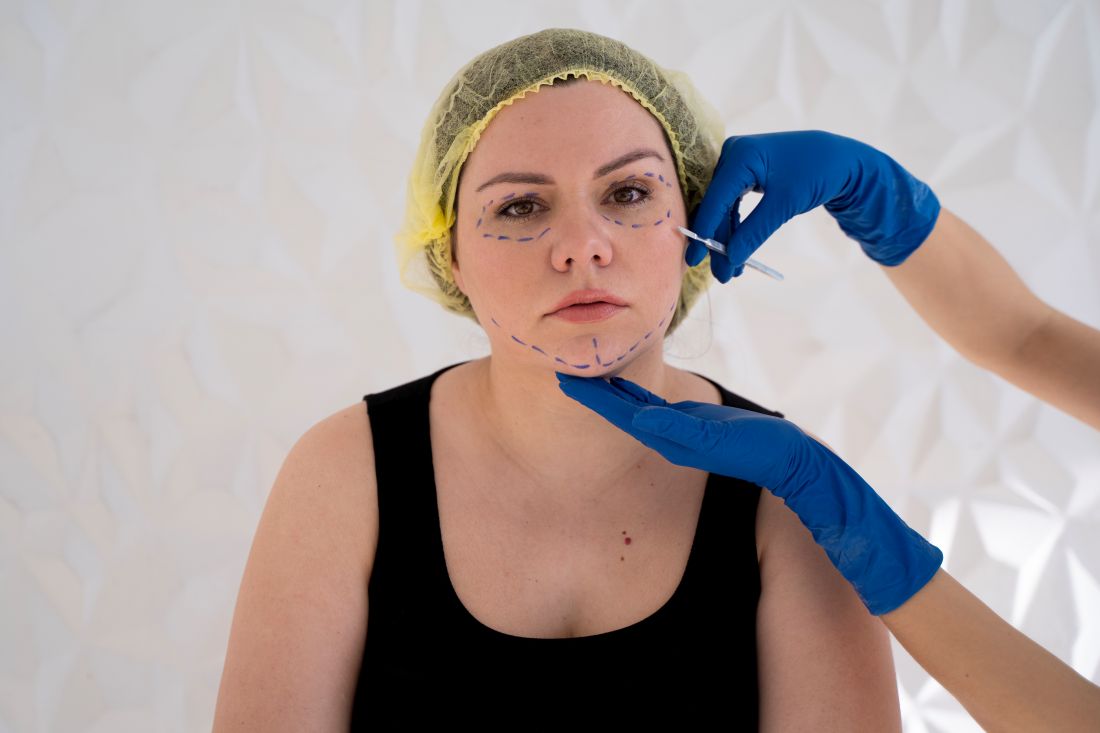
Instead of placing a gel-like filler material, your cosmetic surgeon in Mangalore will transfer your own fat cells into areas of facial volume loss.
The process typically involves:
- Harvesting fat gently from areas like the abdomen or thighs
- Purifying the fat
- Reinjecting it carefully into targeted facial areas using microinjection techniques
Once transferred, the fat cells attempt to establish a new blood supply in their new location.
This is the key biological difference. If you are considering fat grafting in Mangalore, remember, unlike fillers, transferred fat contains living cells.
The fat that survives integrates naturally into the facial tissues. As healing progresses, the surviving cells become part of the area itself.
However, it is important to remain medically realistic:
Not all transferred fat survives permanently.
Some of the injected fat naturally gets reabsorbed during healing. The percentage that survives varies between individuals and depends heavily on surgical technique, blood supply, and post-procedure healing.
Still, the surviving fat can remain long-term, which is why many patients view fat transfer to the face as a longer-lasting filler alternative.
Another interesting aspect observed clinically is that fat contains regenerative components, including stem-cell-rich tissue. In some patients, the improvement in skin texture and quality after healing is great. However, these improvements vary and should not be overpromised.
Fat Grafting vs Fillers — The Structural Difference
| Feature | Dermal Fillers | Fat Grafting |
| Material Used | Hyaluronic acid gel | Your own fat cells |
| Longevity | Usually 6–18 months | Long-lasting surviving fat |
| Feel | Depends on filler type | Very natural tissue integration |
| Maintenance | Requires repeat sessions | Less frequent maintenance |
| Reversibility | Can often be dissolved | Not easily reversible |
| Downtime | Minimal | Moderate swelling/bruising |
| Facial Integration | Temporary volume support | Biologic integration into tissue |
| Cost Over Time | Lower initially, repeated costs | Higher upfront, potentially lower long-term |
| Best For | Quick enhancement and refinement | Structural facial rejuvenation |
Fillers offer predictable, temporary enhancement with convenience and flexibility.
Fat grafting focuses more on structural restoration using living tissue.
Fat Grafting vs. Fillers — Which Lasts Longer?
As discussed:
- Fillers last approximately 6–18 months
- Fat grafting can last for years
The reason lies in biology.
Fillers remain as an injectable material until the body gradually breaks them down.
Fat grafting behaves differently because surviving fat cells establish a blood supply and integrate into the face.
That said, our expert cosmetic surgeon in Mangalore avoids presenting facial fat grafting as “permanent” in an absolute sense.
A more medically accurate explanation is:
A portion of transferred fat survives longer, making the results significantly longer-lasting than fillers.
Longevity also depends on:
- Surgical technique
- Facial area treated
- Smoking status
- Weight fluctuations
- Individual healing response
Why Some Faces Start Looking “Overfilled”
One concern many patients express today is the fear of looking unnatural.
The situation often appears from repeatedly adding filler over many years without reassessing the underlying facial structure.
In practice, excessive filler can sometimes create:
- Puffiness
- Water retention
- Migration
- Blurred facial contours
- An overly rounded appearance
This is especially noticeable around the under eyes and midface.
In fat grafting treatment, the transferred fat integrates more organically into the tissues. The texture appears softer and moves more naturally with facial expressions.
Fillers remain extremely useful when used thoughtfully and conservatively.
The goal should never be to replace one treatment entirely with another. Instead, the focus should remain on choosing the right treatment according to the face.
Who Is a Better Candidate for Fillers?
Dermal fillers often work well for:
- Younger patients with mild volume loss
- First-time cosmetic patients
- People wanting temporary enhancement
- Individuals seeking minimal downtime
- Patients looking for subtle contour refinement
Fillers also help patients “test” volume changes before considering longer-lasting procedures.
Who Is a Better Candidate for Fat Grafting?
Fat grafting in Mangalore is increasingly popular among patients seeking more natural and longer-term facial rejuvenation.
It may suit patients who have:
- Hollow cheeks
- Under-eye hollowness
- Facial thinning after 30
- Significant facial volume loss
- Repeated filler maintenance fatigue
- Preference for biologic treatments
Patients seeking softer and more natural facial movement often appreciate the integrated feel of facial fat transfer.
However, treatment planning must remain individualized. Consultation with an experienced cosmetic surgeon in Mangalore is essential because anatomy, skin quality, and aging patterns vary greatly between individuals.
Risks and Limitations You Should Know
Every cosmetic procedure has limitations and risks.
Fillers
Possible concerns include:
- Swelling
- Bruising
- Migration
- Unevenness
- Vascular complications in rare cases
- Ongoing maintenance requirements
Fat Grafting
Possible concerns include:
- Swelling and bruising
- Variable fat survival
- Minor asymmetry
- Need for touch-up procedures
- Greater dependence on surgical expertise
Both procedures require anatomical understanding and careful technique.
Can Fillers and Fat Grafting Be Combined?
Yes — and this is often where advanced facial rejuvenation becomes more nuanced.
In many cases:
- Fat grafting restores foundational structural volume
- Fillers refine smaller areas with precision
For example:
- Fat grafting may restore overall cheek support
- Fillers may fine-tune tear troughs or contour asymmetries
This layered approach often creates more balanced and natural outcomes.
Cost of Fat Grafting in Mangalore
The cost of fat grafting in Mangalore varies depending on how much volume restoration is needed, the areas being treated, surgical complexity, and whether the procedure involves facial rejuvenation alone or combined contouring.
For facial fat grafting, most patients in Mangalore can expect a price range of approximately:
- ₹40,000 to ₹90,000+ for smaller or moderate facial areas
- ₹90,000 to ₹1,50,000+ for more extensive full-face volume restoration or combined procedures
Factors That Affect Fat Grafting Cost in Mangalore
The overall price depends on:
- Number of facial areas treated
- Amount of fat harvested
- Surgeon’s expertise
- Facility charges
- Technique used for fat purification and transfer
- Combination with other anti-aging procedures
Before jumping to any conclusion, consult our experienced cosmetic surgeon in Mangalore at Radiant Roots to determine whether fillers, fat grafting, or a combination approach is more suitable for you and obtain a clear cost estimation.
Expert Perspective — What Most Patients Don’t Realize
Many patients initially assume facial aging is simply a surface problem.
Clinically, however, deeper structural volume loss often drives the tired or hollow appearance you notice in the mirror.
Repeated refilling in isolated areas without addressing broader facial support can sometimes create an imbalance over time.
Experienced cosmetic surgeons in Mangalore increasingly view facial fat grafting as a more structural and biologic approach for suitable candidates.
However, that does not make fillers “wrong.”
In fact, fillers remain one of the most effective and versatile anti-aging treatment options in Mangalore, when used appropriately.
The key lies in understanding:
- your anatomy,
- your aging pattern,
- your maintenance preferences,
- and your long-term goals.
Facial Rejuvenation Treatments — Choose for a Better Balance
Both fillers and fat grafting have an important place in modern facial rejuvenation.
Fillers offer flexibility, convenience, and predictable temporary enhancement. Fat grafting offers longer-lasting structural restoration using your own tissue.
The right choice depends on:
- your age,
- facial anatomy,
- degree of volume loss,
- lifestyle,
- and maintenance expectations.
Prioritize your skin tissue health and always consult a qualified cosmetic surgeon in Mangalore to make an informed decision.
FAQs
Is fat grafting permanent?
Not entirely. Some transferred fat gets reabsorbed during healing. However, surviving fat cells can remain long-term, making results significantly longer-lasting than fillers.
Which lasts longer: fillers or fat transfer?
In most cases, fat transfer lasts much longer because surviving fat integrates into the facial tissues. Fillers gradually dissolve over 6–18 months.
Does facial fat transfer look natural?
Yes. Because fat integrates into the face as living tissue, results often feel softer and more natural when performed correctly.
Can fillers migrate?
Yes. In some cases, filler may shift slightly from the original placement area, especially with repeated treatments or overfilling.
Is fat grafting safer than fillers?
Both procedures are generally safe in experienced hands. However, each has different risks and requires proper anatomical expertise.
How long do cheek fillers last?
Cheek fillers typically last around 12–18 months depending on the product used, metabolism, and injection technique.
Can fillers and fat grafting be combined?
Yes. Experienced cosmetic surgeons in Mangalore can combine filler and fat grafting strategically for both structural support and precise refinement.
Does fat grafting age naturally?
Yes. The transferred fat behaves like natural facial tissue and ages along with the surrounding structures.