Not All Monsoon Bumps Are Acne — Here’s How to Tell
- nderarms, groin, and between the toes clean and dry
- Change out of damp clothes and wet shoes as soon as you can
- Avoid picking or popping any bump, whether it turns out to be acne or a fungal reaction
Effective Acne Scar Treatments in Mangalore
Once scarring has already formed, these are a few approaches commonly discussed with patients, depending on the scar type and skin condition:
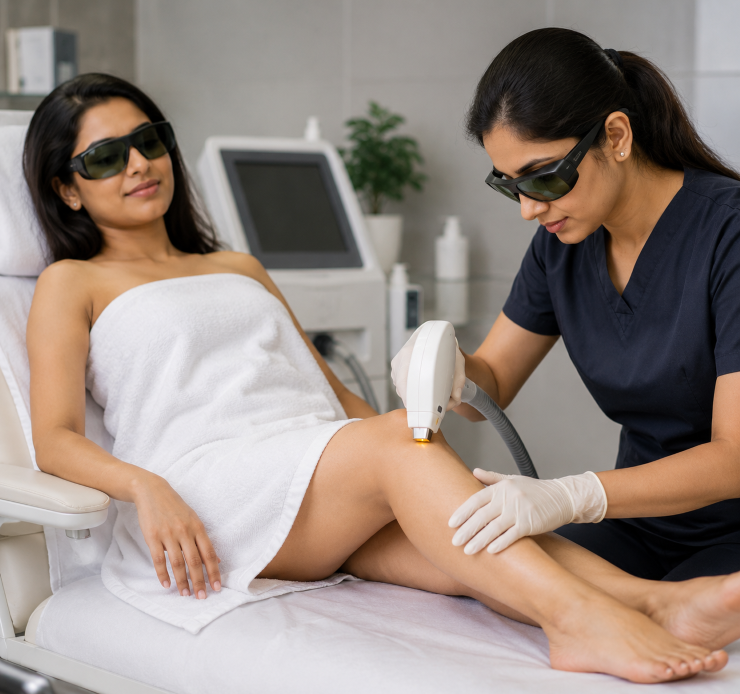
- Diode laser treatment: targets scar tissue and supports smoother skin texture over a course of sessions
- Microneedling: creates controlled micro-injuries that encourage the skin's own collagen production
- Chemical peels: helpful for surface-level marks and uneven tone
- Subcision: a minor procedure for scars that are tethered to deeper tissue
Which option suits you depends on your scar type, skin tone, and how your skin responds, and this is best assessed through a proper consultation.
Cost of Laser Acne Scar Treatment
This is one of the first questions most patients ask, so here's a general sense of it: laser acne scar treatment in Mangalore usually falls within a wide range, often between ₹3,000 to ₹20,000 per session, depending on the technology used, scar severity, and number of sessions needed. This is only an indicative range, the actual cost is decided only after an in-person skin assessment.
What is Microneedling for Acne Scars
Microneedling for acne scars in Mangalore is typically done at a dermatology or cosmetic surgery clinic, using a device with fine needles to create tiny, controlled injuries in the skin. This encourages the skin to rebuild collagen naturally over the following weeks. It's usually planned as a series of sessions, spaced a few weeks apart, with minimal downtime.
Non-Surgical Options for Severe Scars
Even for more visible or deeper scarring, non-surgical options for severe acne scars in Mangalore are often considered first:
- Combination therapy using laser and microneedling together
- PRP (platelet-rich plasma) added to support the skin's healing response
- Chemical peels for surface texture and tone correction
Surgical options like subcision only come into the picture when non-surgical methods aren't expected to give enough improvement, and this is decided case by case.
When to See a Skin Specialist
Based on what tends to show up in clinic, it's worth getting a proper opinion if you notice:
- Bumps that are itchy, spreading, or not improving with your usual routine
- Breakouts that keep coming back in the same spots every monsoon
- Any mark or texture change left behind after a breakout heals
A dermatologist or cosmetic surgeon in Mangalore can confirm what you're dealing with and guide the right next step. Individual results may vary, so it's best to consult your treating doctor for a personalised assessment before starting any treatment.
Know Your Skin Before You Treat It
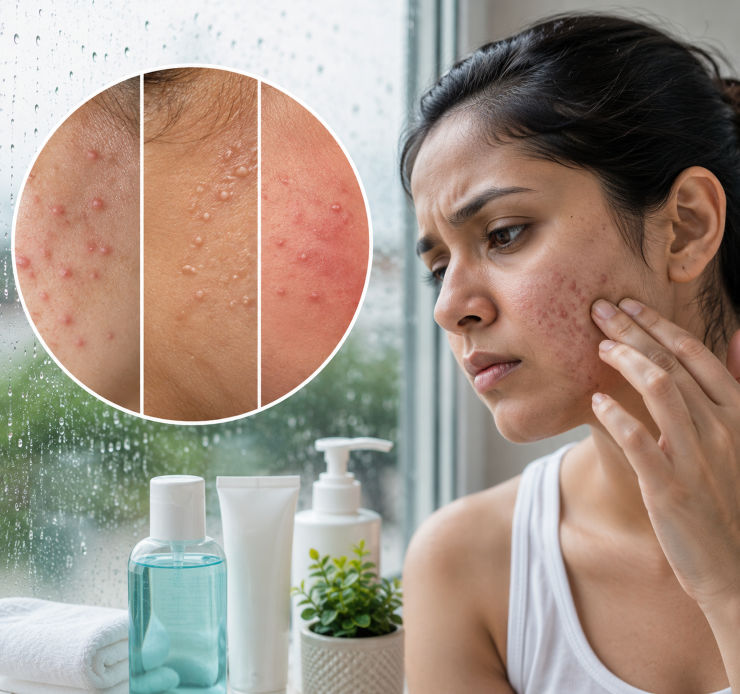
Bumps that show up in the monsoon aren't always what they seem, and treating them without knowing the cause can do more harm than good. Humidity, sweat, and sudden shifts between wet outdoor air and dry indoor rooms all play a part in how your skin behaves this season, and a fungal bump rarely responds the way regular acne does.
Getting the diagnosis right early on isn't just about clearing the breakout faster, it also lowers the chance of a mark or scar being left behind once it heals. If a breakout looks unusual, doesn't respond to your regular routine, or keeps returning, it's worth having a professional take a proper look before deciding on any treatment.
Author:
Dr. Chandra
- Board-certified Plastic and Cosmetic Surgeon (MCh)
- The Lead Surgeon at Radiant Roots Hair Transplant & Aesthetic Surgery Centre, Mangalore.
Frequently Asked Questions
Q1. How do I know if it's fungal acne or regular acne?
Fungal bumps are usually small, uniform, and itchy, often on the chest or back. Regular acne varies in size and isn't typically itchy. A skin check confirms it.
Q2. Can monsoon breakouts be prevented?
Not entirely, but keeping skin clean and dry, wearing breathable fabric, and avoiding heavy creams can lower the chances of flare-ups during humid months.
Q3. Is fungal acne treated the same as regular acne?
No. Fungal acne needs antifungal care, while regular acne is treated differently. Using the wrong product can worsen either condition.
Q4. Do all pimples during monsoon leave scars?
Not always. Deep or inflamed breakouts, whether fungal or acne-related, can leave marks or textured scarring once healed, especially if scratched, popped, or left untreated. Individual results vary from person to person.
Q5. Can old acne scars get worse in the monsoon?
Not directly from the weather, but humidity-related breakouts nearby can make skin look more textured or uneven around older scars.
Disclaimer: This content is for general educational purposes only and does not constitute medical advice. Outcomes vary between individuals. Please consult your treating doctor for a personalised assessment before starting any treatment.